I
Catalogue entry
The Specimen
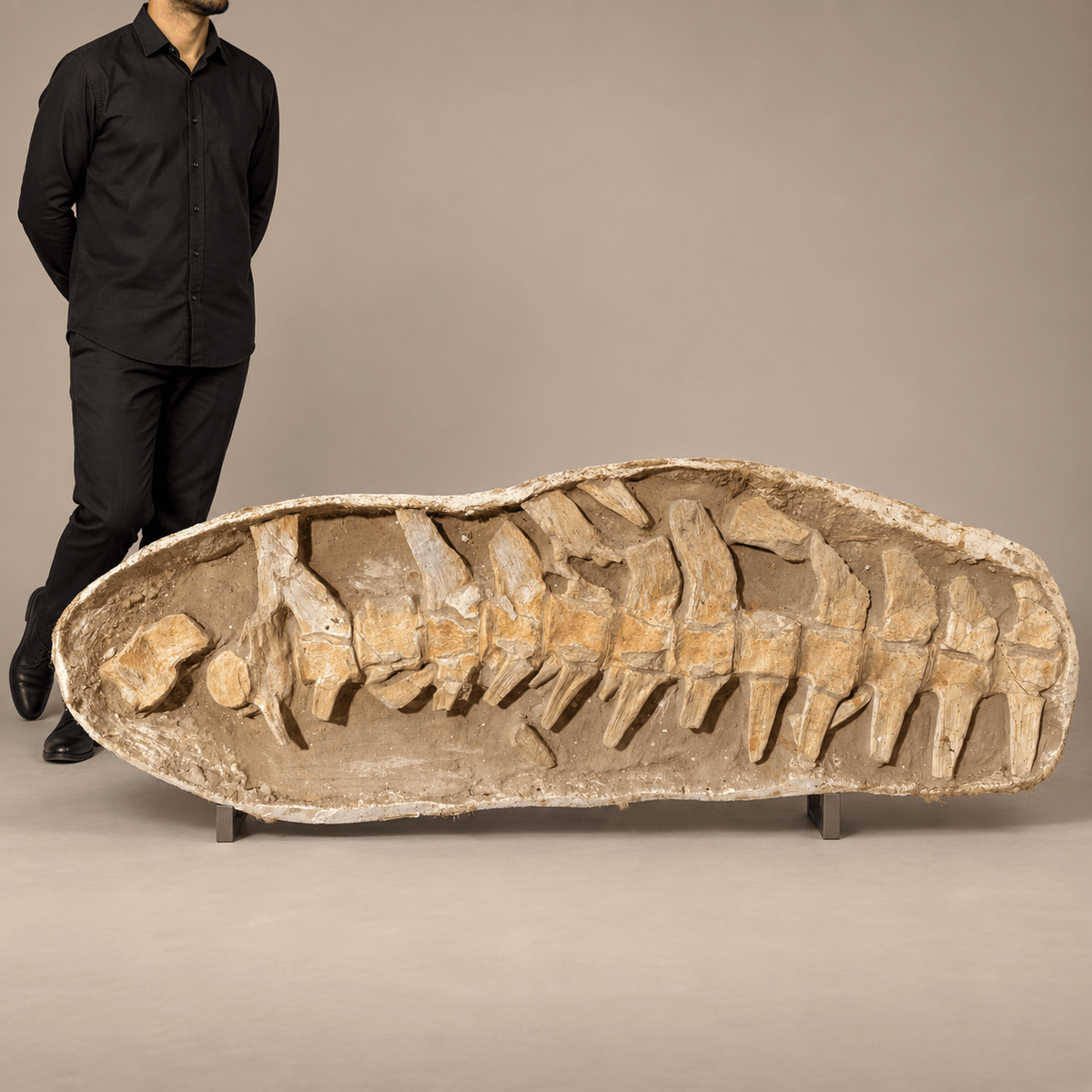
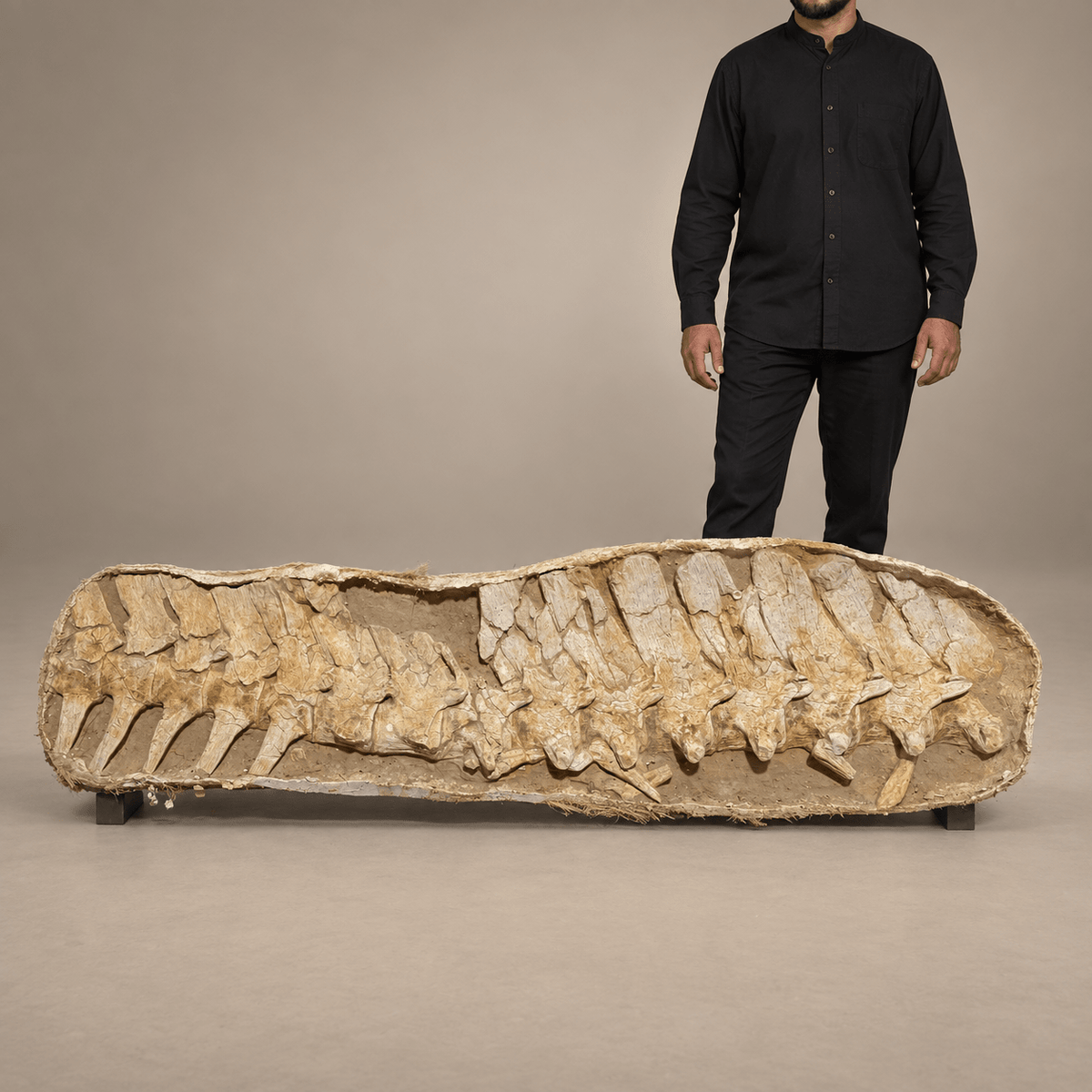
Devonian Trilobite Fossil in Matrix
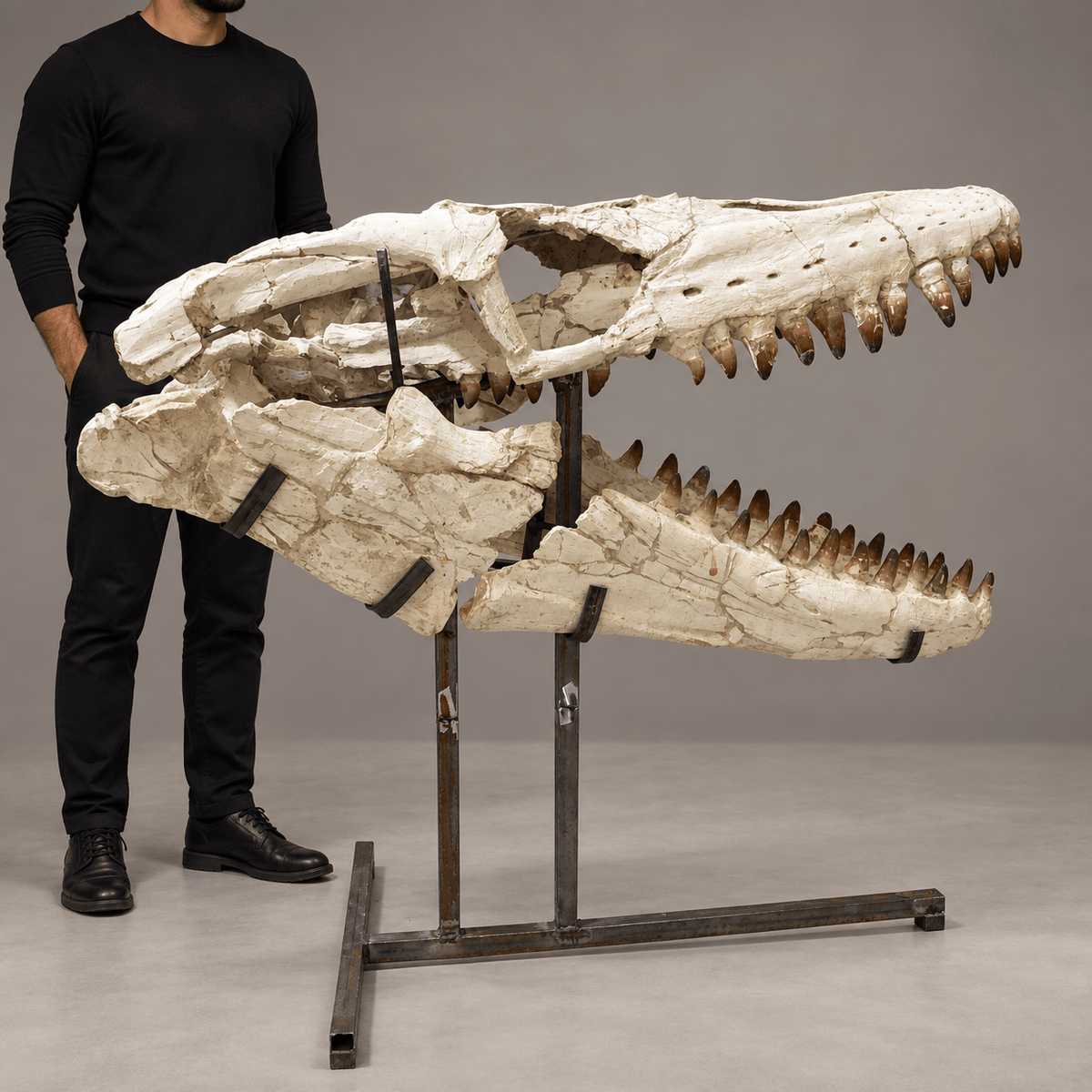
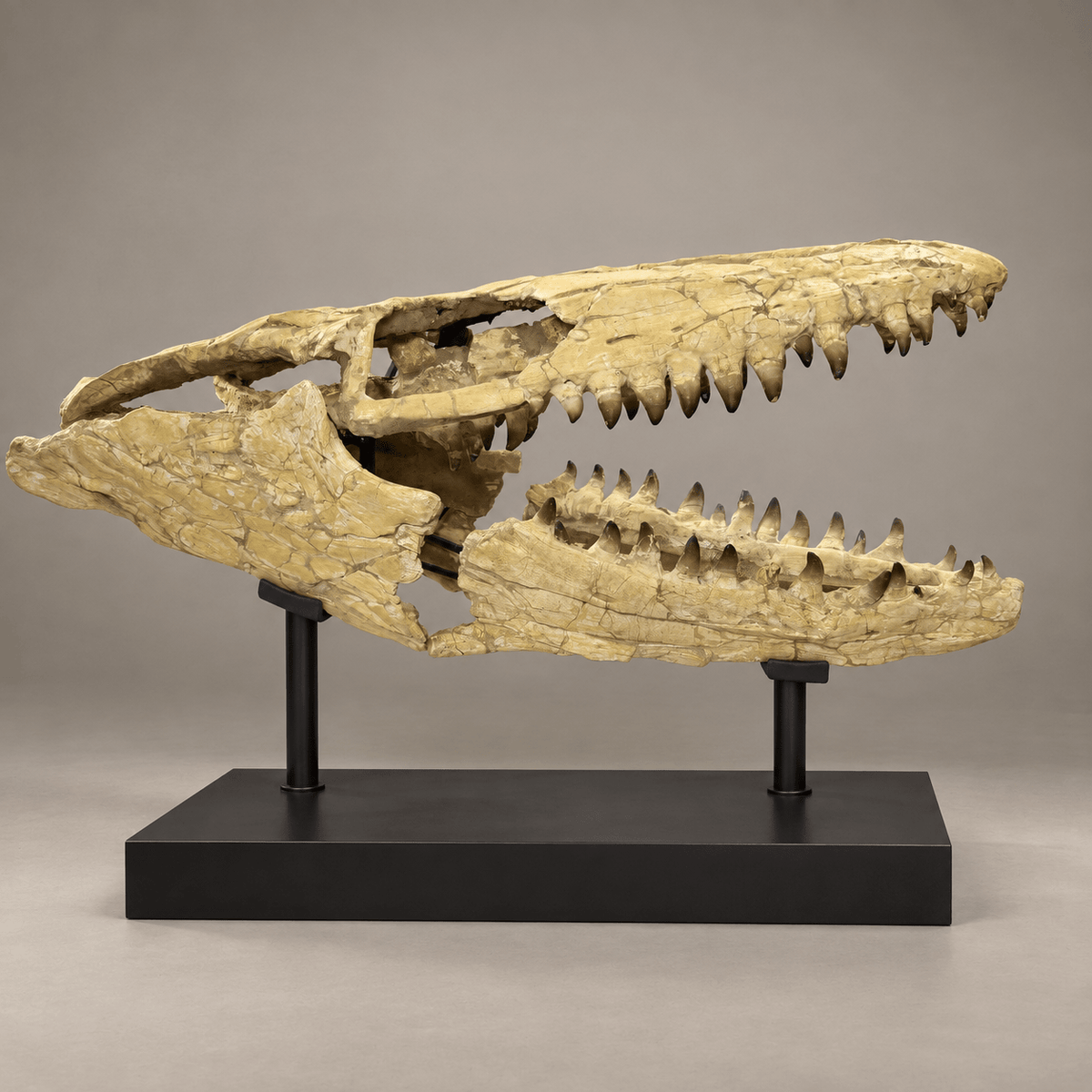
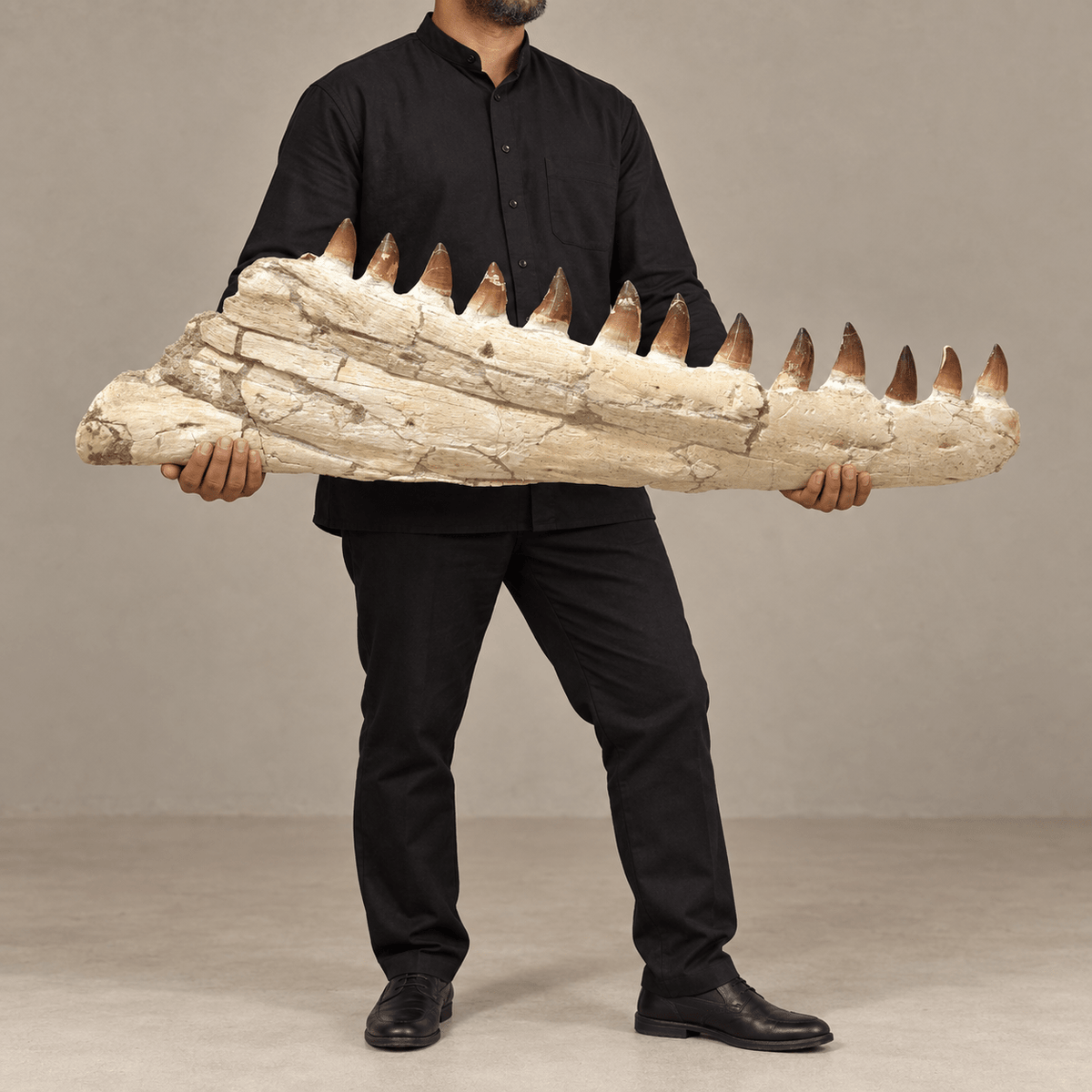
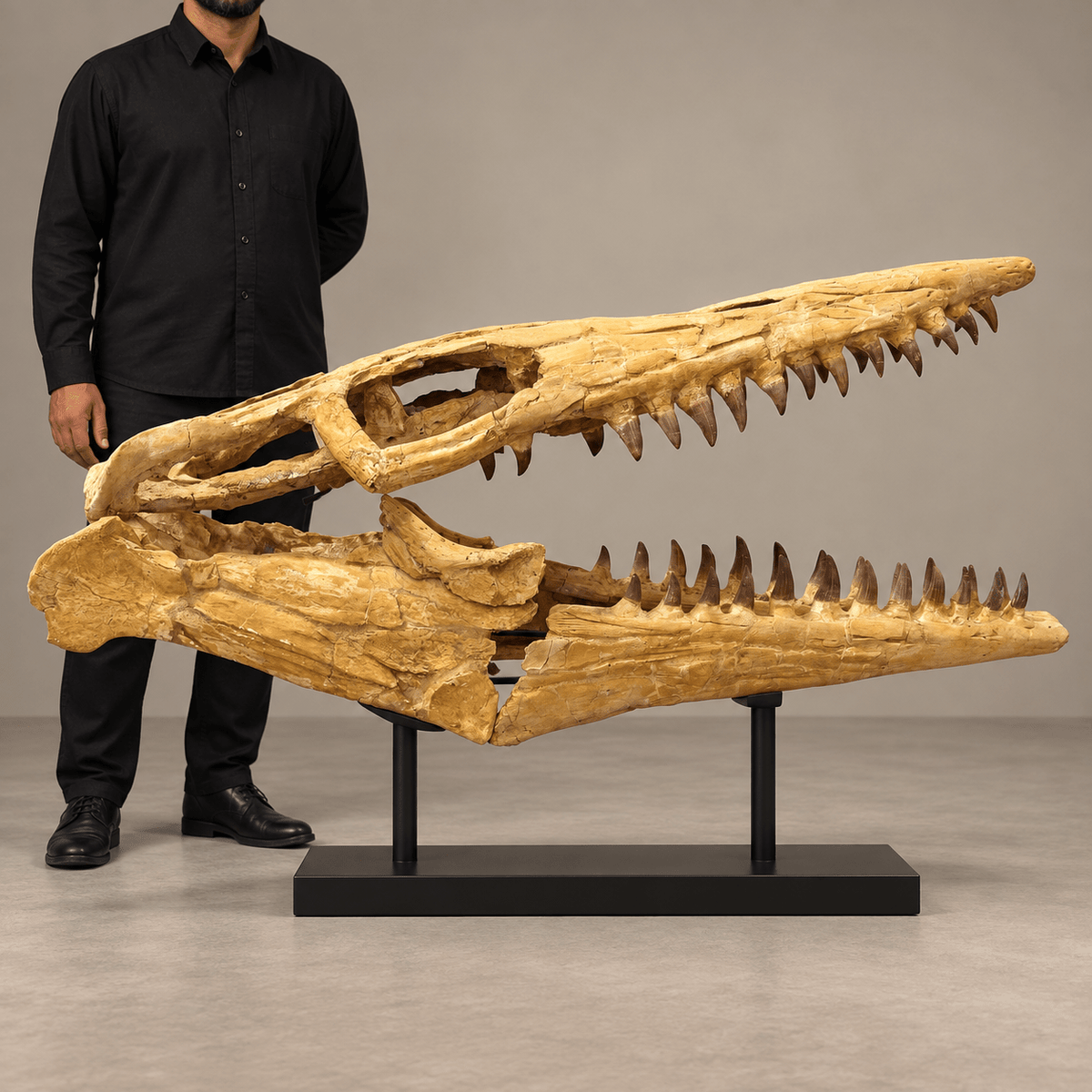
Presented for collectors, galleries and educational displays, this specimen is listed with photographs tied to reference AD-18615.
- Category: Trilobite Fossil
- Scientific identification: Trilobite
- Geological age: Devonian Period (approx. 380–400 million years old)
- Origin: Morocco
- Reference: AD-18615
Trilobites were marine arthropods that flourished throughout the Paleozoic Era. Morocco is renowned for Devonian specimens preserved in natural stone matrix.
This sold specimen remains published as a reference archive. Explore the related collection for currently available fossils.
II
Where it comes from
Moroccan Origin
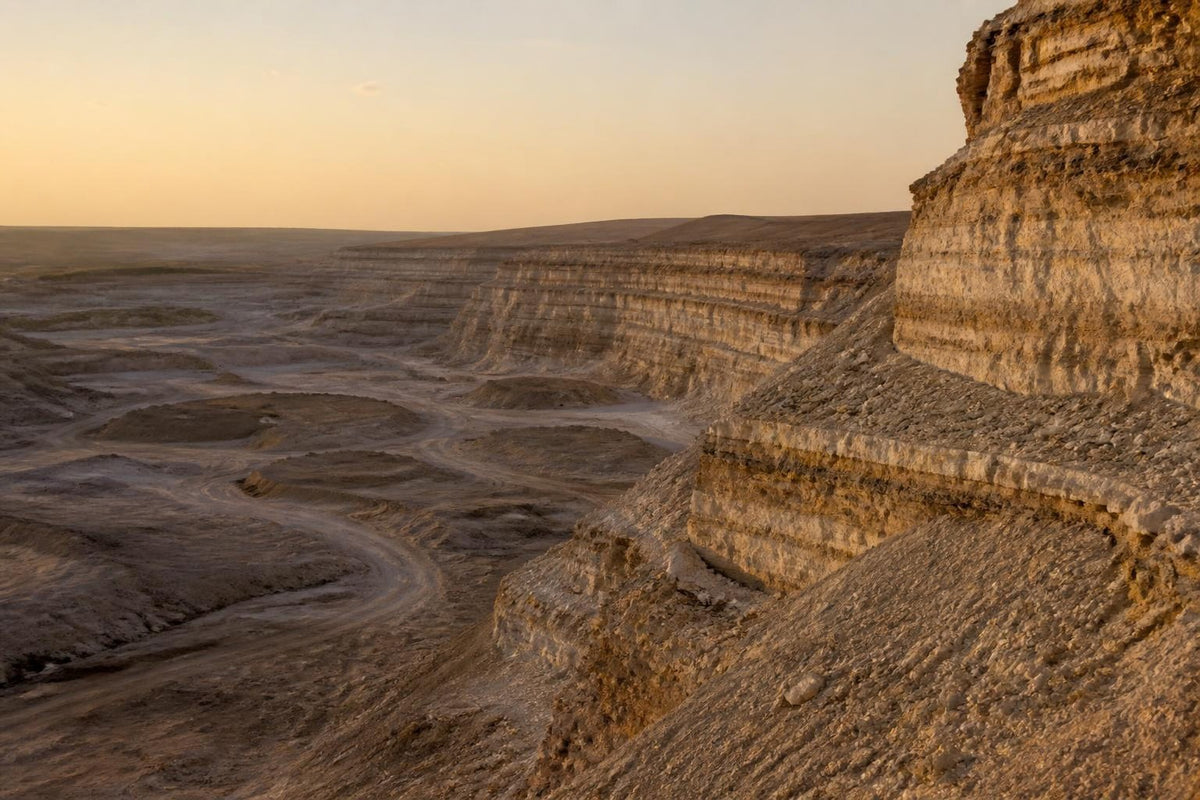
The Anti-Atlas mountains of Morocco expose Devonian marine rocks around 400 million years old, when this region lay beneath shallow seas on the margin of Gondwana.
These limestones are celebrated worldwide for complete, three-dimensional trilobites, many with delicate spines.
Reported locality for this specimen: Morocco.
III
From the rock
Discovery
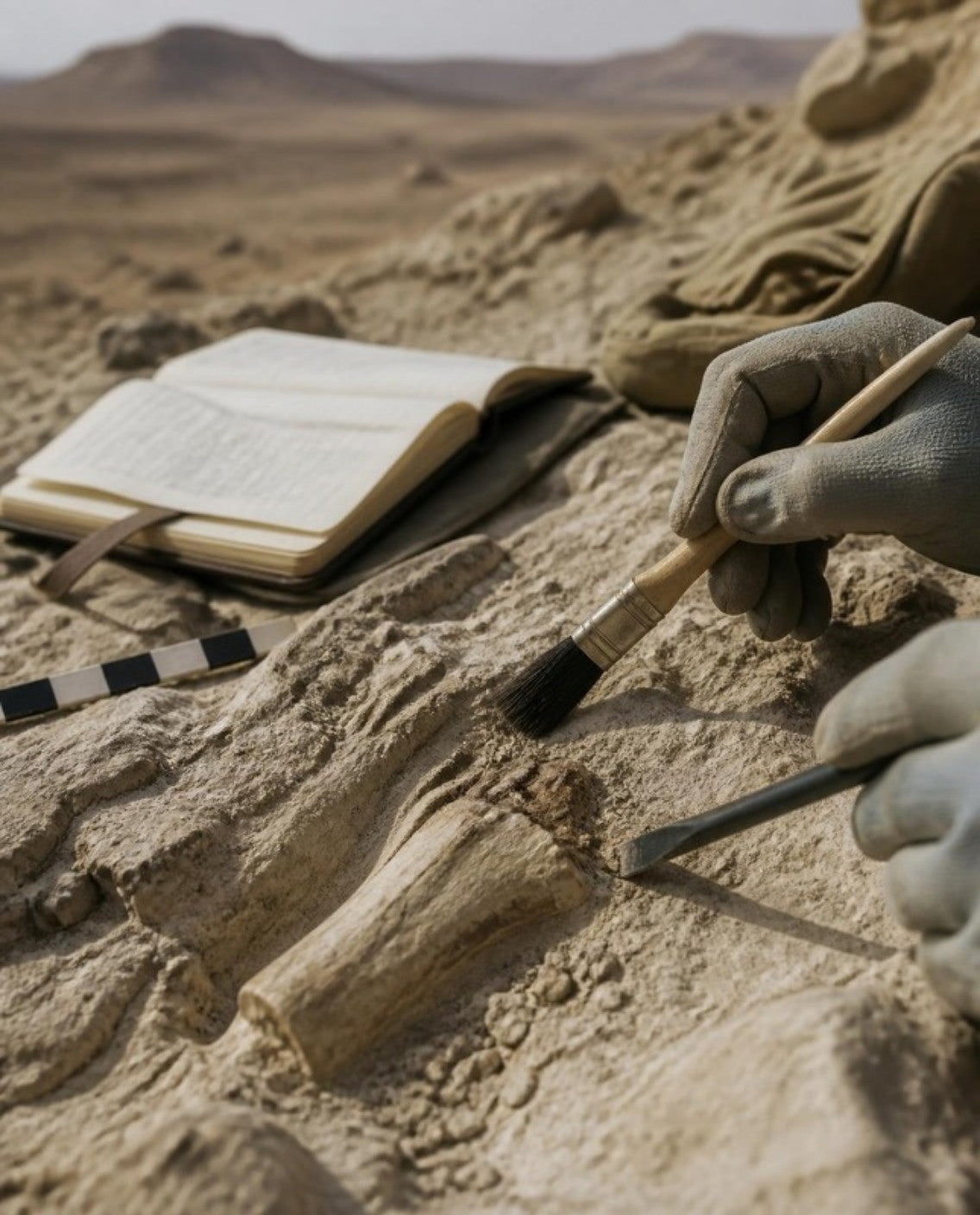
Trilobites are found within layers of Devonian limestone. Splitting the rock can reveal a complete animal, often still enclosed in stone that must be removed with great care.
IV
Deep time
Geological Context
The Devonian, around 419 to 359 million years ago, saw rich marine life in the shallow seas that covered the Anti-Atlas.
- Estimated age
- Devonian Period (approx. 380–400 million years old)
- Locality
- Morocco
- Deposit
- Devonian limestone
V
The workshop
Preparation
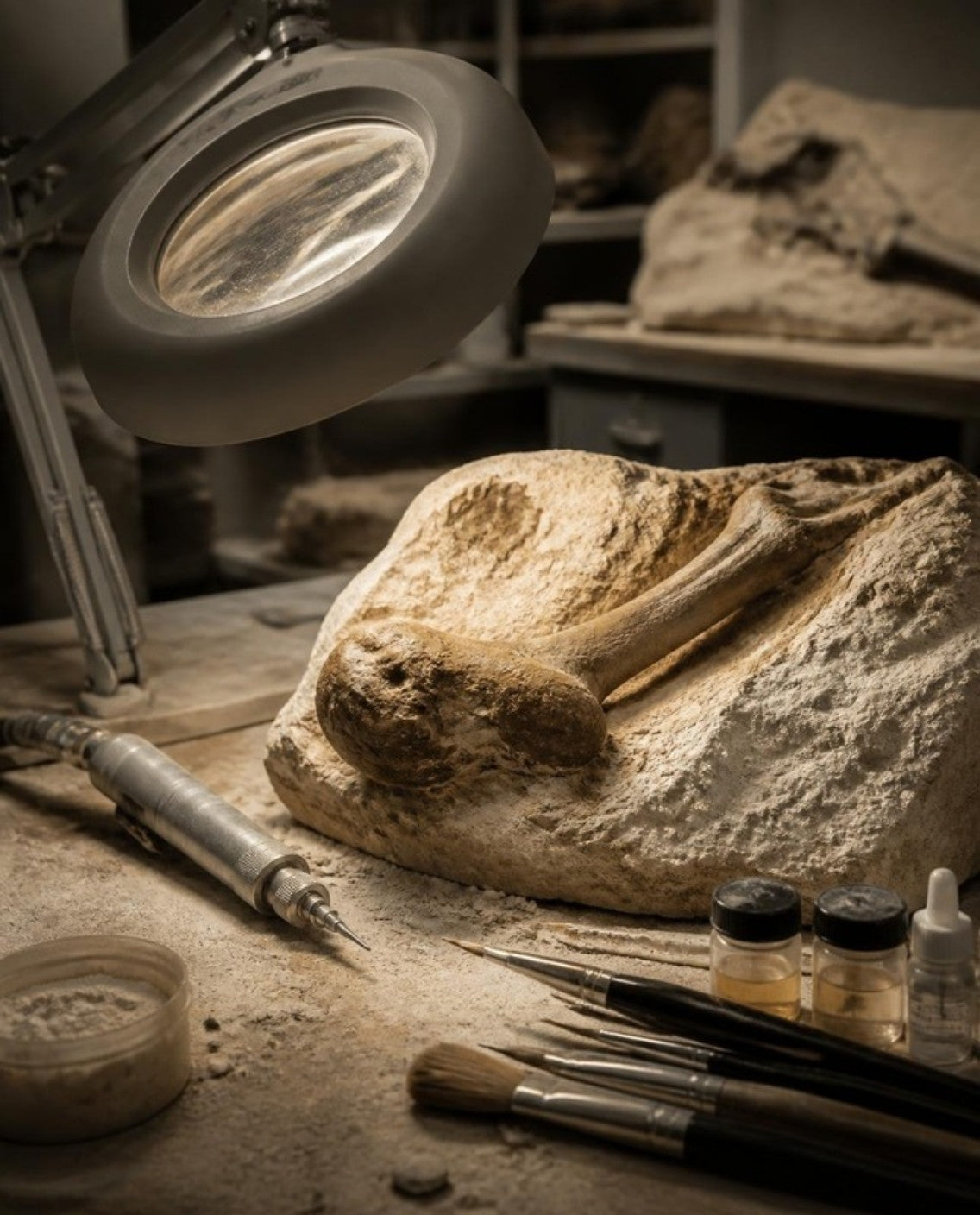
Fossils are freed from their surrounding rock with fine air-powered tools, abrasives, brushes and consolidants. Depending on size and fragility, preparation can take from a few hours to several months.
The preparation, association, repair and restoration information supplied for this specimen is listed below, exactly as recorded in its catalogue entry.
No specific preparation details have been recorded for this specimen. Please request information if this is important to your collection.
VI
On display
Presentation
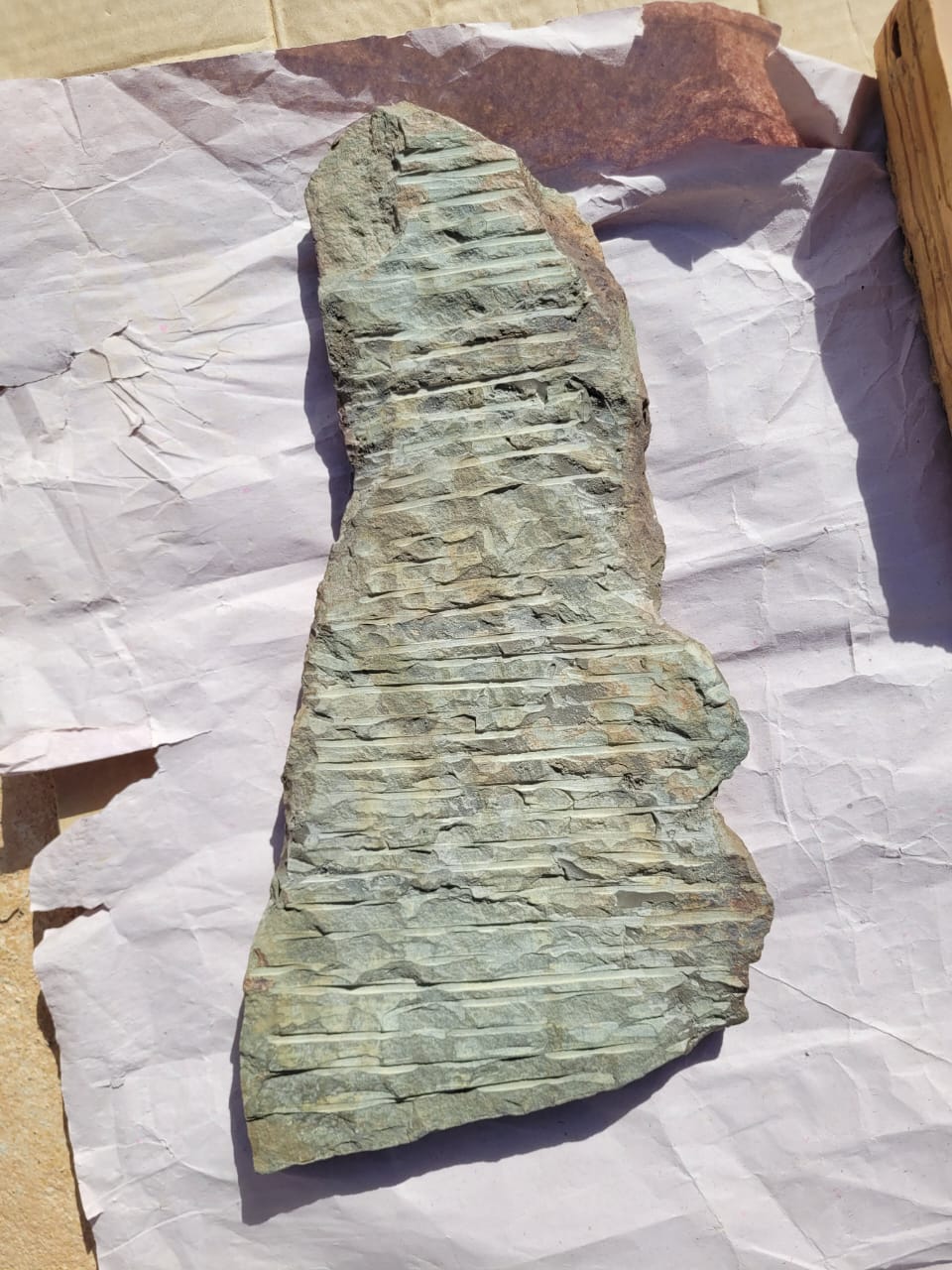
Presented as a natural-history specimen, this fossil is suited to a private collection, a gallery, a library or a carefully designed interior.
For display, choose a stable surface away from strong direct sunlight and humidity. Our care guide explains how to clean, handle and present a fossil.
VII
For the collector
Collector Information
Continue the exhibition