I
Catalogue entry
The Specimen
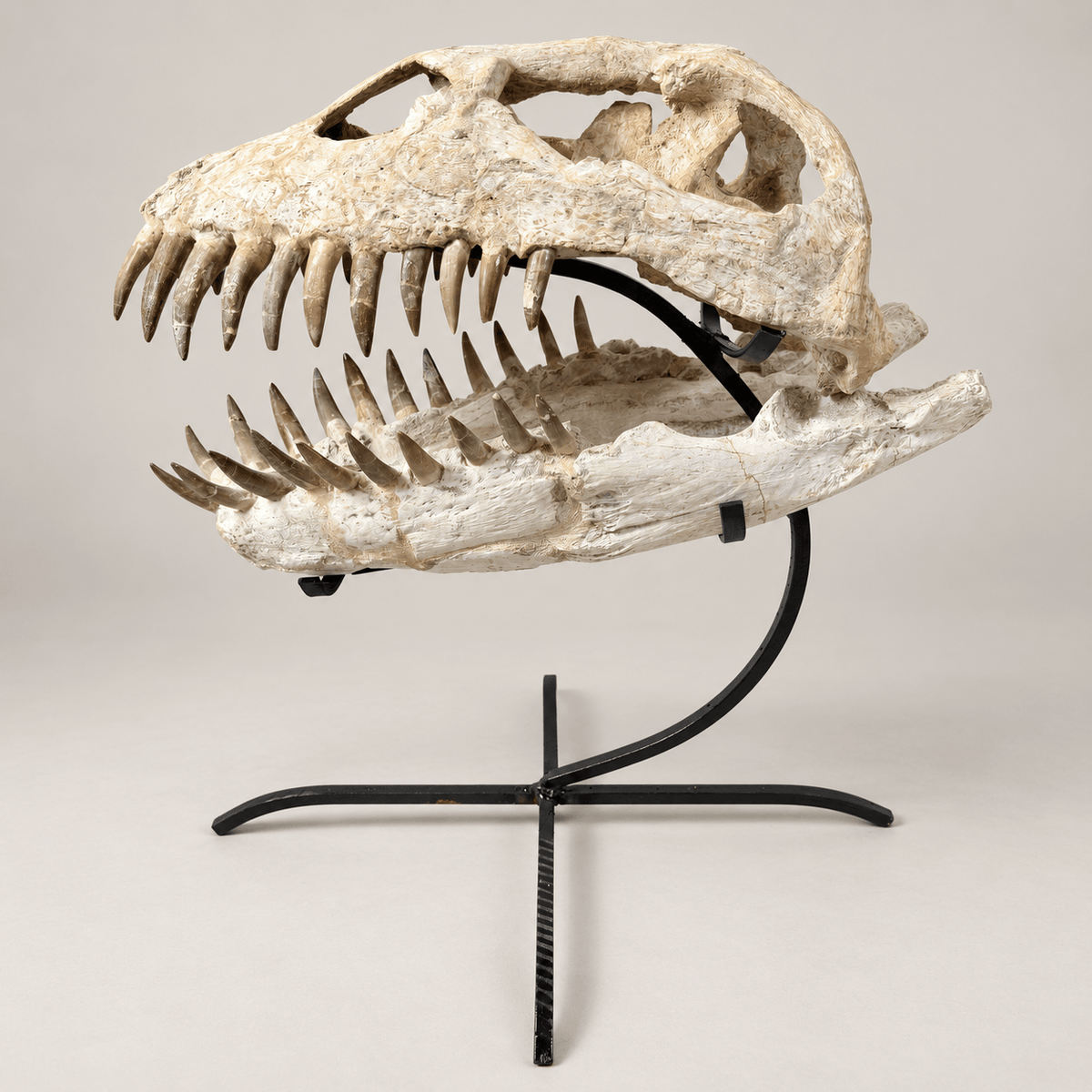
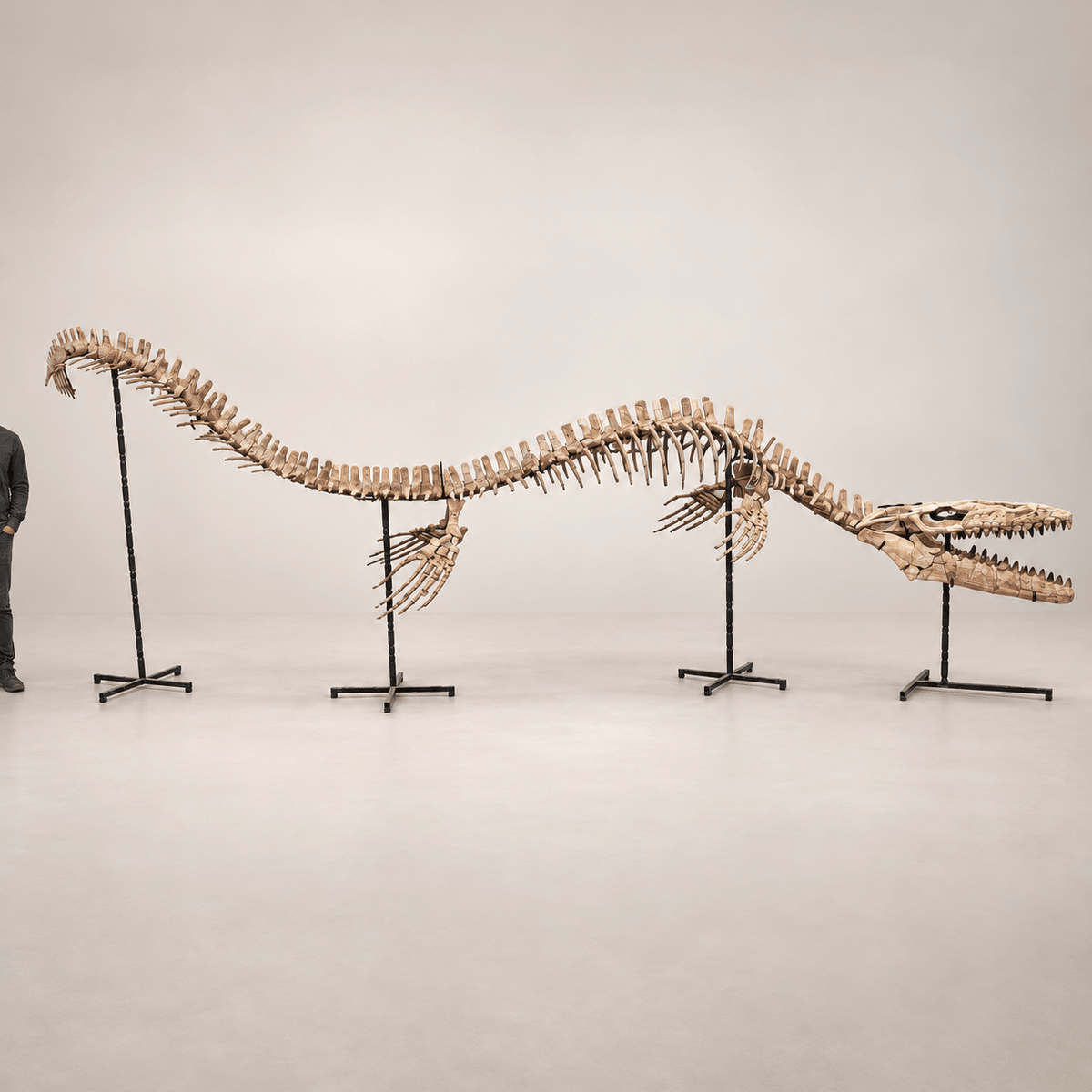
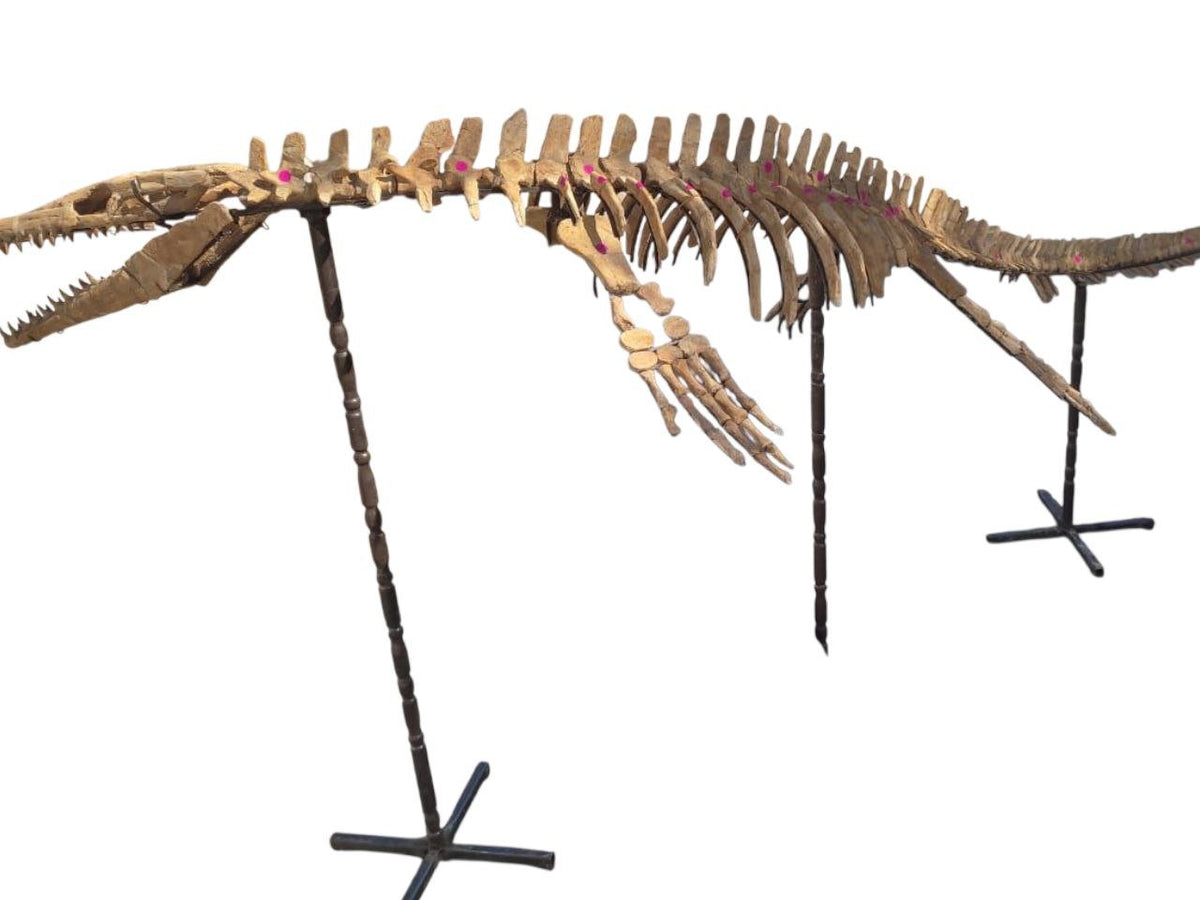
🦴 An original 46 cm mosasaur jaw identified as Prognathodon currii. Recovered from the Oulad Abdoun Basin of Morocco and extracted from its original geological matrix, this specimen retains original fossil teeth and a powerful marine-reptile profile.
🔎 Specimen Details
- Fossil: Mosasaur jaw
- Identification: Identified as Prognathodon currii
- Length: 46 cm / approximately 18.1 inches
- Teeth: Original fossil teeth
- Period: Late Cretaceous
- Estimated age: Approximately 66 million years
- Origin: Oulad Abdoun Basin, Morocco
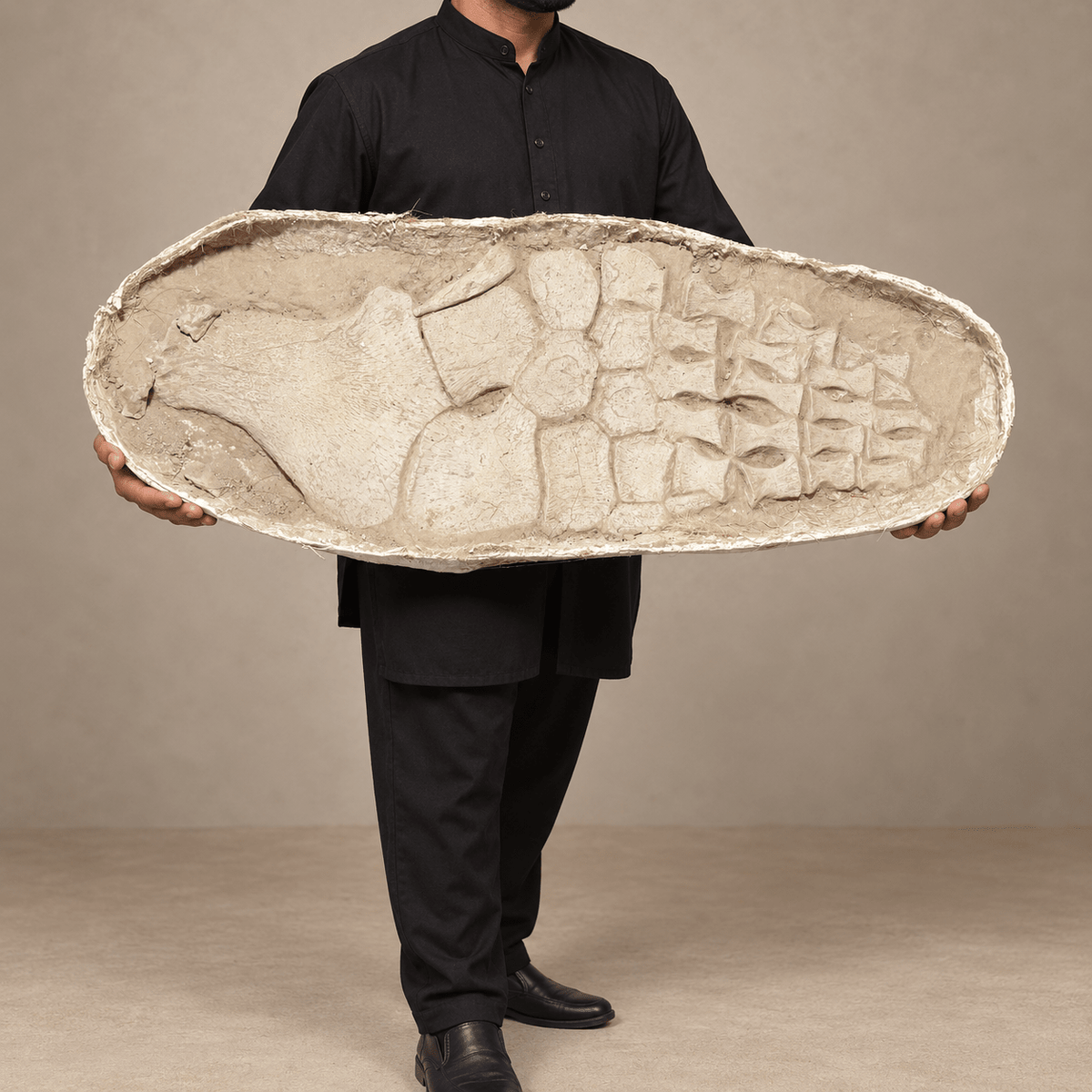
- Preparation: Extracted from its original matrix
- Condition: Repairs present
- Price: $990 USD
- Reference: PD-MJW-0046
🌊 About Prognathodon
Prognathodon belonged to the mosasaur family—powerful marine reptiles that inhabited ancient seas during the Late Cretaceous. Their robust jaws and substantial teeth were adapted to capturing prey. Mosasaurs lived during the age of dinosaurs but were not dinosaurs.
🏛️ Collector Display
The 46 cm length, preserved dentition and natural mineral tones create a distinctive specimen for a private fossil collection, gallery, library, office or natural-history interior.
❓ Common Questions
Will I receive this exact jaw?
Yes. The buyer receives the individual specimen shown in the photographs.
Are the teeth original?
Yes. PaleoDeserts represents the retained teeth as original fossil teeth.
Is a mosasaur a dinosaur?
Mosasaurs were prehistoric marine reptiles.
II
Where it comes from
Moroccan Origin
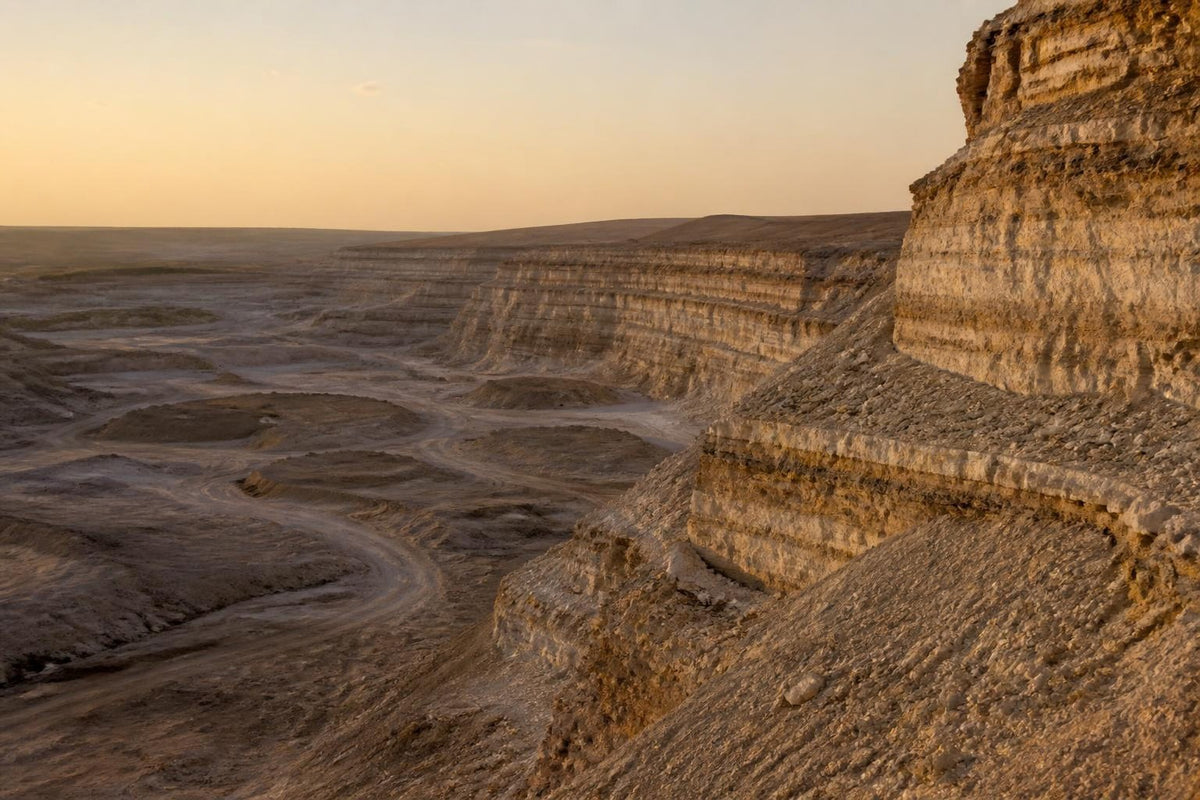
Morocco’s phosphate basins, above all the Oulad Abdoun Basin near Khouribga and the Ganntour Basin near Benguerir, preserve one of the richest marine vertebrate fossil records on Earth.
At the end of the Cretaceous, a shallow sea covered this part of Morocco. Its nutrient-rich waters supported mosasaurs, plesiosaurs, sharks and bony fish, whose bones and teeth were preserved in the accumulating phosphate sediments.
Reported locality for this specimen: Oulad Abdoun Basin, Morocco.
III
From the rock
Discovery
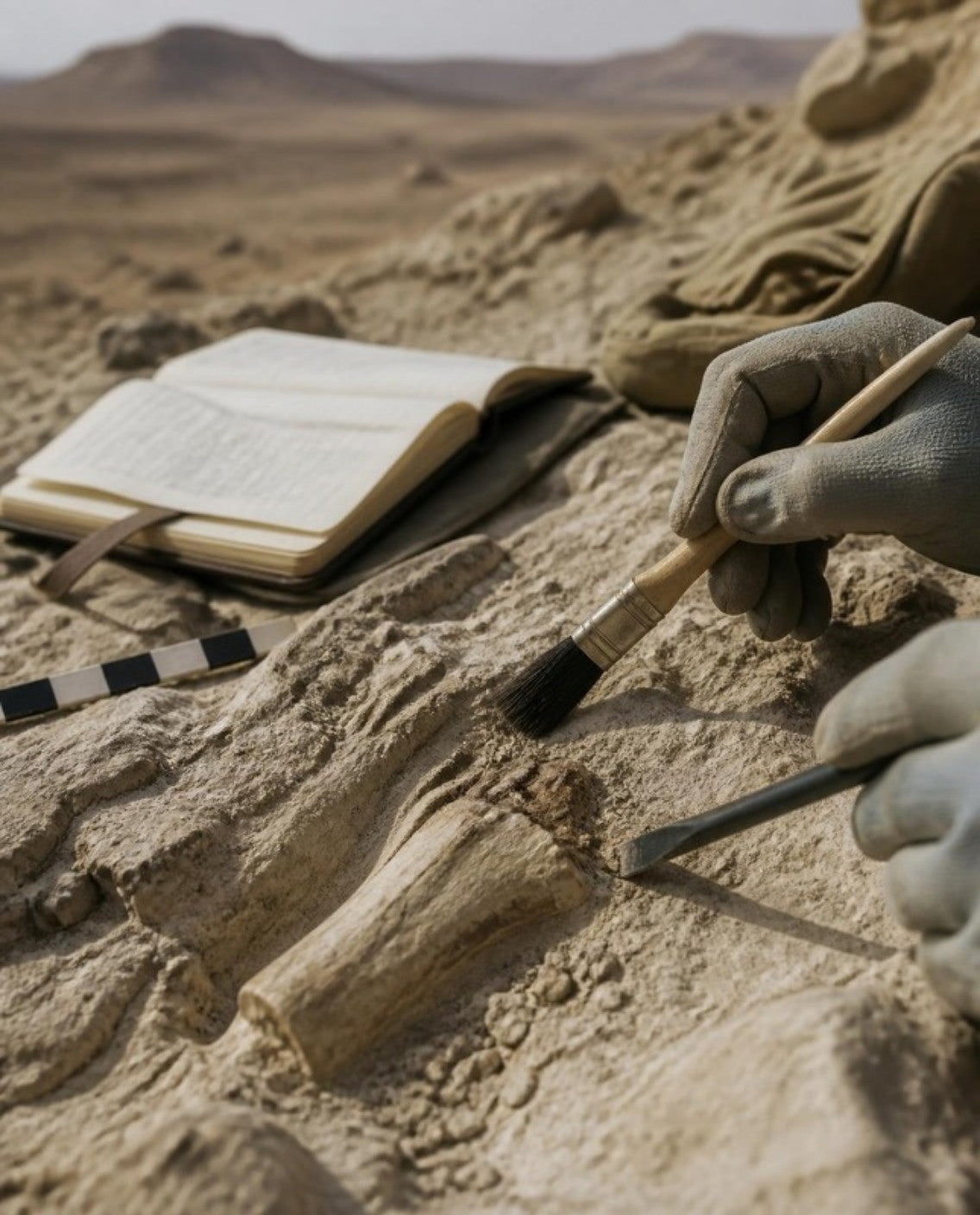
Moroccan phosphates are worked in successive layers. As the rock is exposed, fossil bones and teeth appear within the phosphate beds and are recovered before the material is processed.
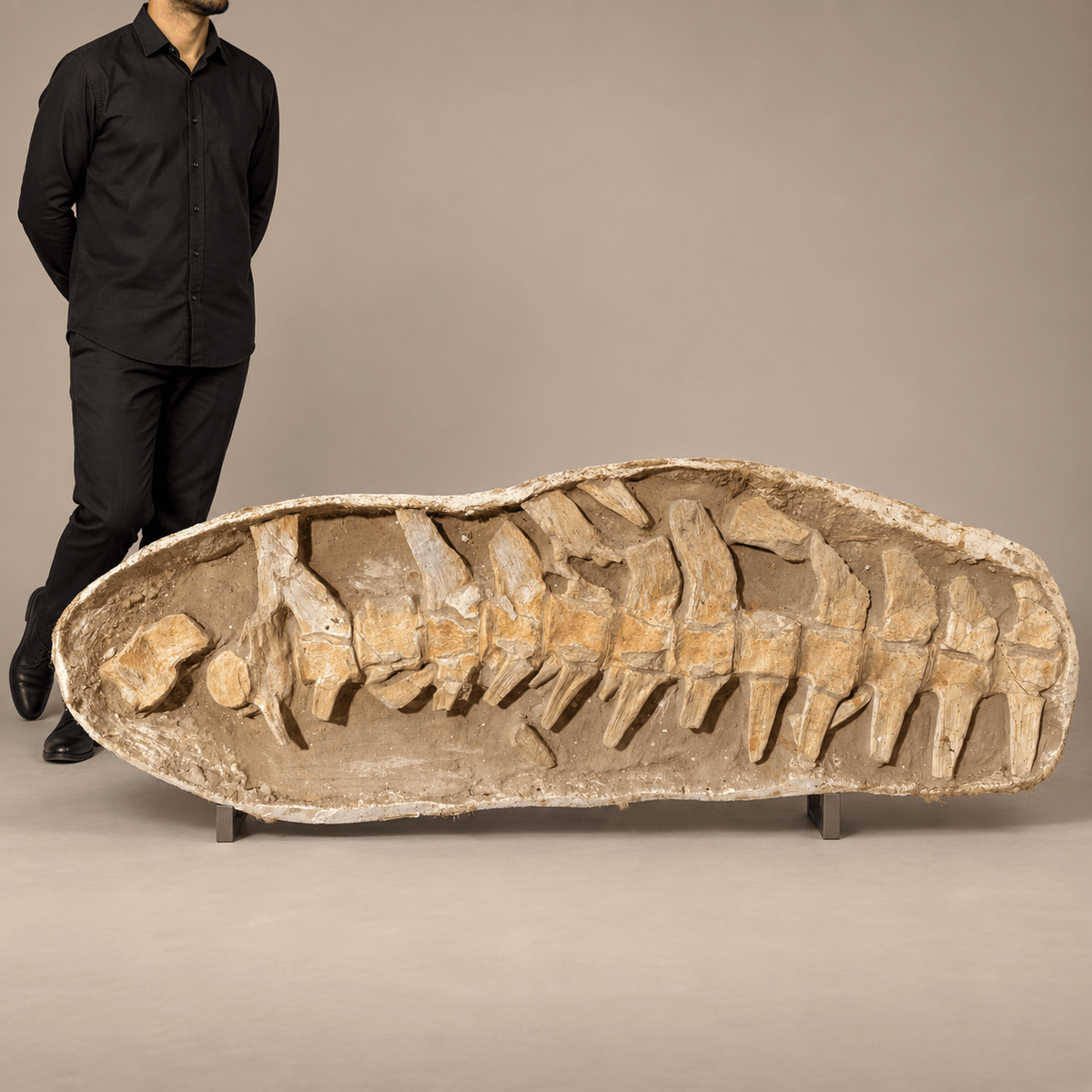
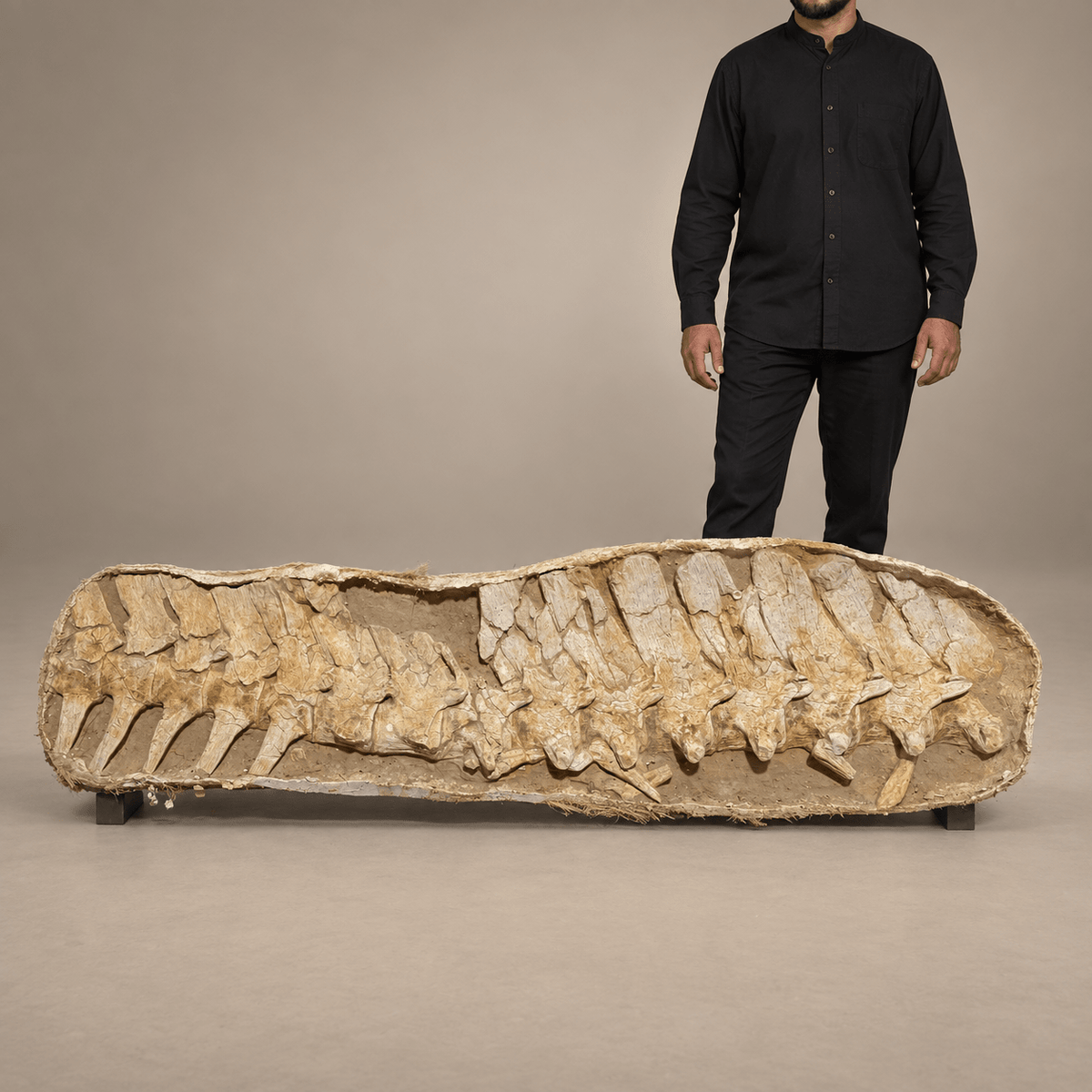
Large skulls, jaws and skeletons are rare finds within this enormous volume of rock, and must be lifted carefully, often together with their surrounding matrix.
IV
Deep time
Geological Context
The Maastrichtian phosphate beds formed in the final stage of the Cretaceous, shortly before the extinction event about 66 million years ago. Younger phosphate layers continue into the Paleocene and Eocene.
- Period
- Late Cretaceous
- Estimated age
- Approximately 66 million years
- Locality
- Oulad Abdoun Basin, Morocco
- Deposit
- Moroccan phosphates
V
The workshop
Preparation
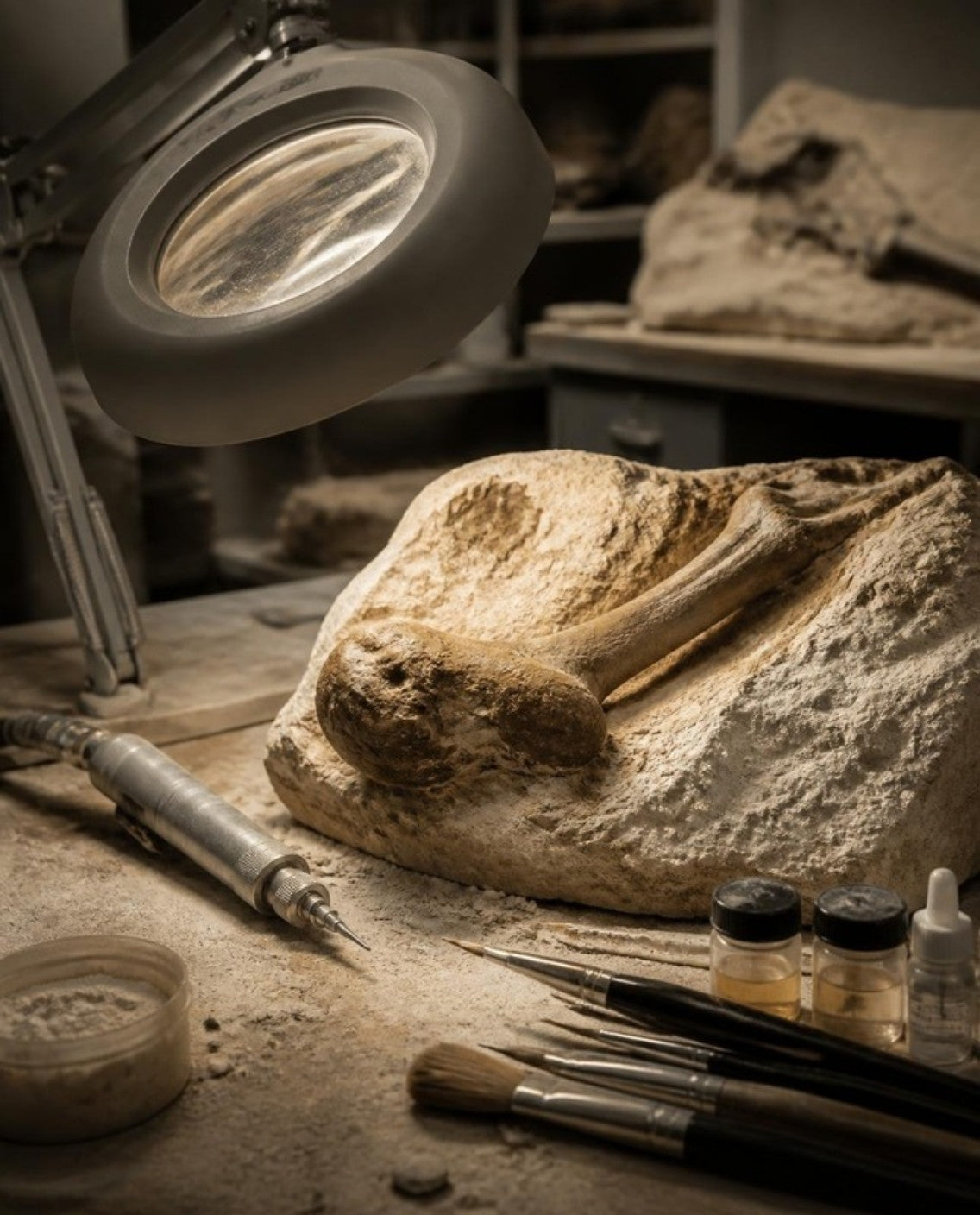
Fossils are freed from their surrounding rock with fine air-powered tools, abrasives, brushes and consolidants. Depending on size and fragility, preparation can take from a few hours to several months.
The preparation, association, repair and restoration information supplied for this specimen is listed below, exactly as recorded in its catalogue entry.
- Teeth
- Original fossil teeth
- Preparation
- Extracted from its original matrix
- Condition
- Repairs present
VI
On display
Presentation
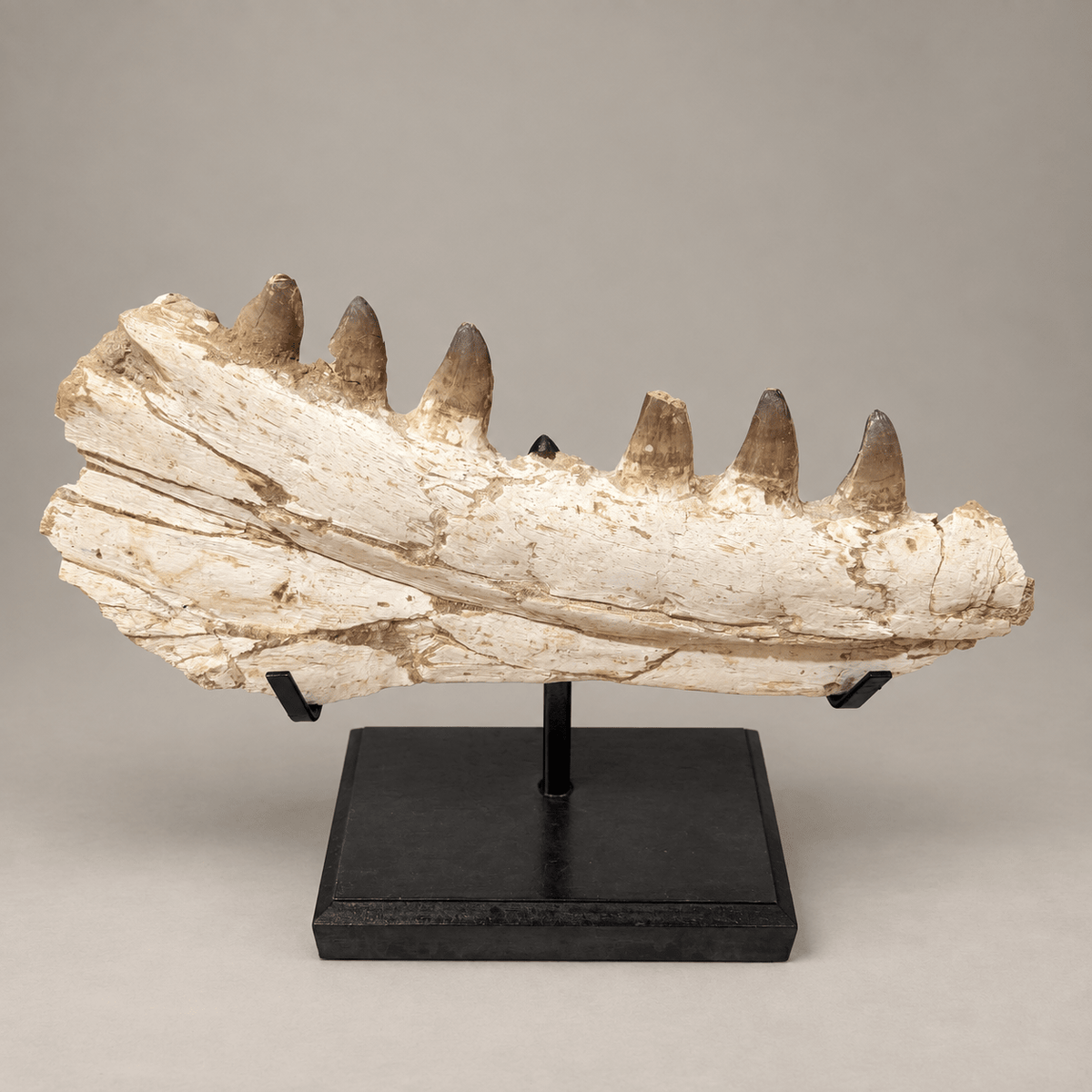
Presented as a natural-history specimen, this fossil is suited to a private collection, a gallery, a library or a carefully designed interior.
For display, choose a stable surface away from strong direct sunlight and humidity. Our care guide explains how to clean, handle and present a fossil.
VII
For the collector
Collector Information
The Oulad Abdoun BasinMosasaur vs DinosaurFAQAll Fossil Guides
Continue the exhibition